- Home
- News
- News items
- ESYLUX APC DALI-2: Flexible lighting control
ESYLUX APC DALI-2: Flexible lighting control

Lighting requirements in modern buildings are constantly evolving. Offices are reconfigured, classrooms serve multiple purposes, and healthcare facilities require lighting that adapts to different environments.
The challenge? Traditional lighting systems aren't designed for that level of flexibility.
That's where ESYLUX APC DALI-2 comes in.
So, what exactly is DALI-2?
DALI-2 is the international standard for digital lighting control.
Instead of traditional ON/OFF switching, DALI-2 allows for:
- Individual or grouped lighting control
- Flexible scene setting
- Integration with sensors (presence and daylight)
- Easy reconfiguration via software instead of rewiring
This makes it ideal for modern, flexible buildings where layouts and usage change frequently.
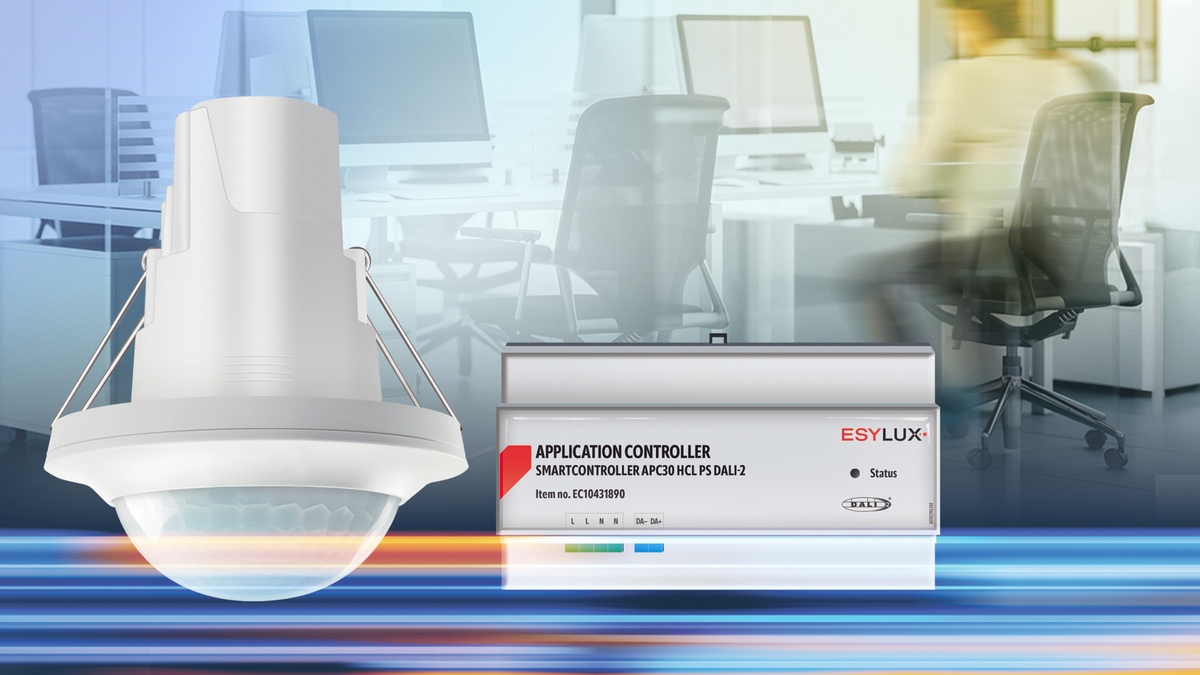
At the heart of the system is the APC (Application Controller).
The APC acts as the central control unit of the system, managing:
- Lighting groups (up to 16 scenes / 64 luminaires per unit)
- Presence and brightness-based automation
- Lighting scenes and time-based control
- Integration of push-buttons and sensors
Unlike traditional centralised systems, the APC approach is decentralised, meaning each area can be controlled independently while still working as part of a larger system.
Decentralised control = real flexibility
One of the biggest advantages of the ESYLUX approach is decentralisation.
Instead of relying on a single large controller, the system can be:
- Installed room by room
- Expanded over time
- Reconfigured without rewiring
This is especially useful in buildings that evolve over time, such as:
- Offices with changing layouts
- Schools with multi-use classrooms
- Healthcare facilities with adaptable zones
Smarter control with BMS presence detectors
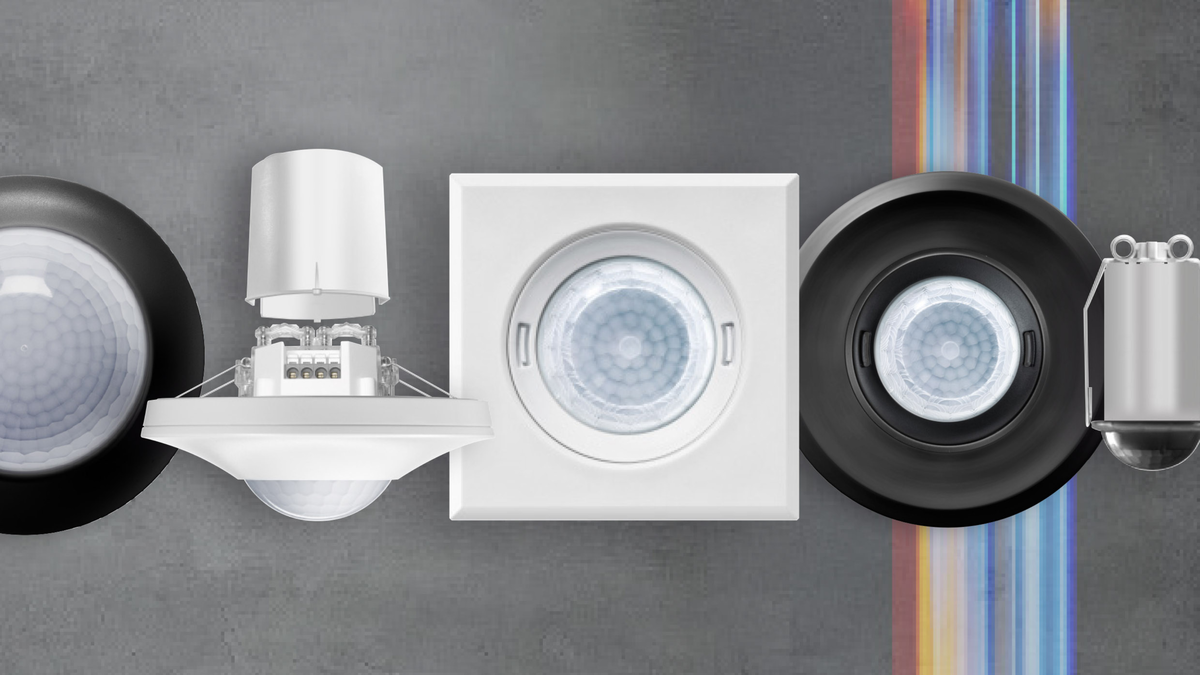
To make the system truly intelligent, ESYLUX uses BMS presence detectors.
These devices:
- Detect presence and ambient light
- Send data to the APC controller
- Enable automatic, energy-efficient lighting behaviour
- Allow manual override via push-buttons if required
The result is lighting that reacts to real usage, not fixed assumptions.
Flexible group switching in practice
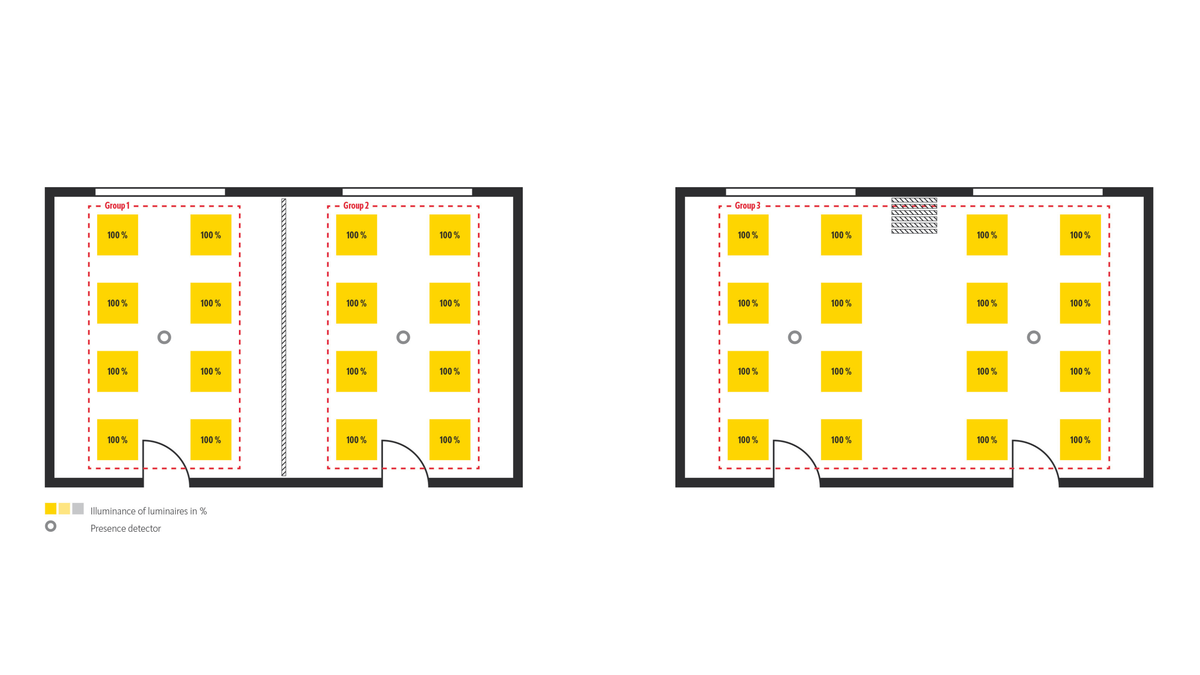
One of the standout features of the system is dynamic group switching.
For example:
- A meeting room with movable walls can be split into two zones
- When the wall is closed, each zone has independent lighting control
- When the wall opens, the system merges both zones into one unified lighting group
The result is smooth, intelligent lighting adaptation without manual reconfiguration or rewiring.
Easy commissioning and powerful configuration
Installation is straightforward:
- Once wired, the system runs immediately with factory settings
- Initial operation works in standard broadcast mode
- Full configuration is done later via software or app
From there, users can implement advanced features such as:
- Constant light control
- Orientation lighting
- Human Centric Lighting
- Scene-based control
- Energy-saving automation strategies
Scalable across entire buildings
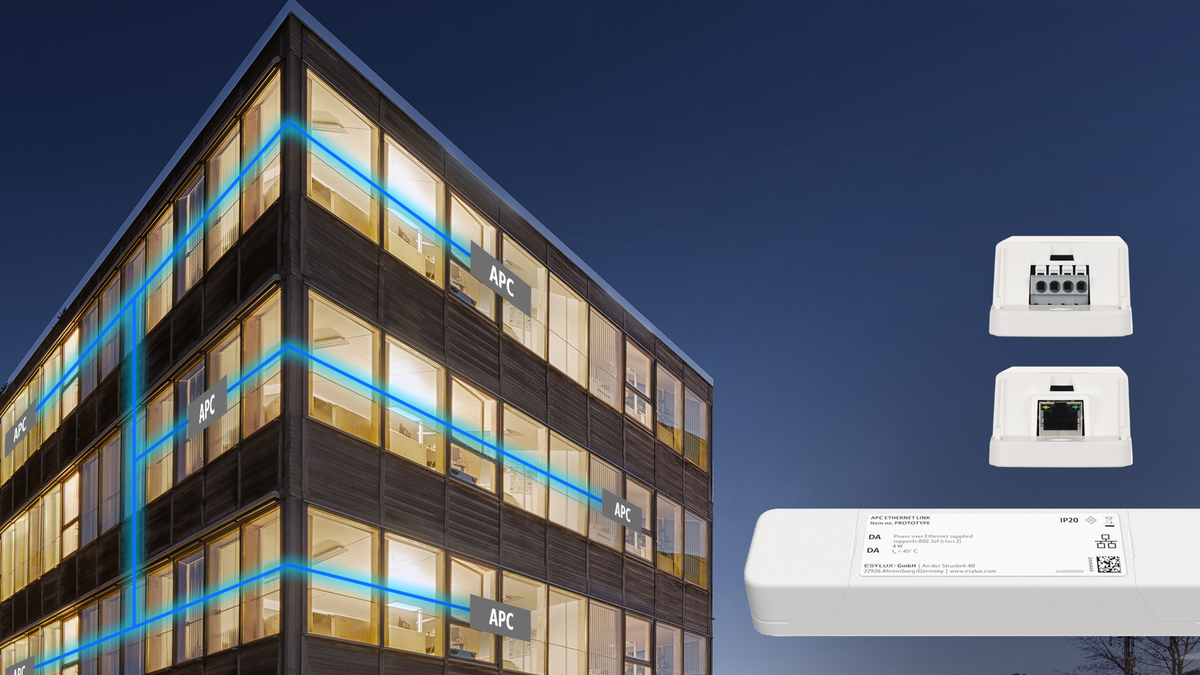
For larger projects, ESYLUX systems can scale even further.
With additional modules like the APC Ethernet Link, up to 16 DALI lines can be connected across a building.
This enables:
- Centralised ON/OFF control
- Scene activation across floors
- Swarm functions for building-wide energy efficiency
- Coordinated behaviour between multiple lighting zones
Why ESYLUX APC DALI-2 stands out
The shift towards flexible, multi-use buildings is not a trend, it’s a long-term change in how spaces are designed and used.
ESYLUX APC DALI-2 supports this shift by offering:
- Software-based configuration instead of rewiring
- Scalable architecture for growing buildings
- Smarter energy usage through automation
- Better user comfort through responsive lighting
Whether you're designing a new installation or upgrading an existing one, ESYLUX APC DALI-2 offers a flexible, scalable solution that adapts to the way modern buildings are used.
It's not just about turning lights on and off anymore. It's about creating smarter, more efficient spaces that can evolve as building requirements change.